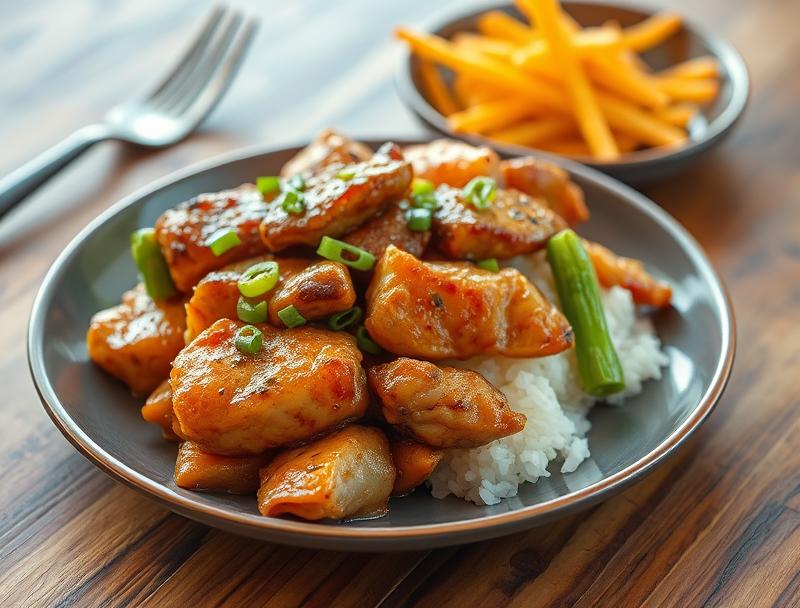
Hibachi Chicken Recipe
Introduction
Imagine a vibrant and flavorful dish, reminiscent of Japanese teppanyaki, that can be easily made in the comfort of your own home. The Hibachi Chicken Recipe is a masterclass in balancing flavors and textures, using everyday ingredients to create a culinary experience that is both impressive and accessible. This recipe is perfect for those who love the idea of restaurant-quality food without the need for exotic ingredients or complicated cooking techniques. With its blend of savory, sweet, and umami flavors, Hibachi Chicken is sure to become a favorite among family and friends, making it ideal for both weeknight dinners and special occasions.
Why This Works
- The balance of flavors in the Hibachi Chicken Recipe is a key element to its success. The combination of soy sauce, garlic, ginger, and honey creates a deep, rich flavor profile that complements the chicken and vegetables perfectly.
- The accessibility of the ingredients is another factor that makes this recipe stand out. Most of the ingredients can be found in your local grocery store, making it easy to prepare without having to hunt down specialty items.
- The ease of preparation is also a significant advantage. Despite its impressive presentation and flavor, the Hibachi Chicken Recipe requires minimal effort and time, making it a great option for busy home cooks who want to create a delicious meal without spending hours in the kitchen.
Ingredients
- 1 1/2 pounds boneless, skinless chicken breasts, cut into bite-sized pieces
- 2 tablespoons vegetable oil
- 2 cloves garlic, minced
- 1 tablespoon grated fresh ginger
- 1/4 cup soy sauce
- 2 tablespoons honey
- 1 tablespoon rice vinegar
- 1 teaspoon sesame oil
- Salt and pepper, to taste
- 1 large onion, sliced
- 2 large bell peppers (any color), sliced
- 2 large zucchinis, sliced
- Chopped green onions and sesame seeds, for garnish
Instructions
- Step 1: Preparation – Start by preparing all the ingredients. Cut the chicken into bite-sized pieces, slice the onions and bell peppers, and grate the ginger. This step is crucial as it sets the stage for a smooth and efficient cooking process.
- Step 2: Marinate the Chicken – In a large bowl, whisk together soy sauce, honey, rice vinegar, sesame oil, garlic, and ginger. Add the chicken to the marinade and toss to coat. Let it marinate for at least 30 minutes to allow the flavors to penetrate the chicken.
- Step 3: Cook the Chicken and Vegetables – Heat 1 tablespoon of vegetable oil in a large skillet or wok over medium-high heat. Remove the chicken from the marinade, letting any excess liquid drip off. Cook the chicken until browned and cooked through, about 5-7 minutes. Transfer the chicken to a plate and set aside. In the same skillet, add the remaining 1 tablespoon of vegetable oil. Cook the sliced onions, bell peppers, and zucchinis until they are tender-crisp, about 5 minutes.
- Step 4: Combine and Serve – Return the chicken to the skillet with the vegetables. Stir in any remaining marinade and cook for an additional 1-2 minutes, until the sauce has thickened slightly. Season with salt and pepper to taste. Serve the Hibachi Chicken hot, garnished with chopped green onions and sesame seeds.
Handy Tips
- For an added crunch, sprinkle some toasted sesame seeds on top of the dish before serving.
- Consider using different colored bell peppers to add more vibrancy to the dish.
- If you prefer a spicier version, you can add some red pepper flakes to the marinade.
Heat Control
Maintaining the right heat is crucial when cooking the Hibachi Chicken. For the chicken, you want to achieve a nice brown on the outside while ensuring it’s cooked through. Medium-high heat is ideal for this. For the vegetables, a slightly lower heat can prevent them from burning while they reach the perfect tender-crisp texture. Always keep an eye on the heat and adjust as necessary to prevent overcooking or burning.
Crunch Factor
Achieving the right texture is key to the success of the Hibachi Chicken Recipe. The chicken should be cooked until it’s just done, still juicy and tender. The vegetables should retain a bit of crunch, adding a satisfying texture contrast to the dish. To achieve this, don’t overcook the vegetables; they should still have a bit of firmness when bitten into.
Pro Kitchen Tricks
- Use a cast-iron skillet or a wok for cooking, as these retain heat well and can achieve a nice sear on the chicken and vegetables.
- Don’t overcrowd the skillet. Cook the chicken and vegetables in batches if necessary, to ensure they have enough room to cook evenly.
- Keep all ingredients ready before you start cooking, as the process moves quickly once you begin.
Storage Tips
- Leftovers can be stored in an airtight container in the refrigerator for up to 3 days. Reheat gently in a skillet or in the microwave until warmed through.
- It’s best to reheat the dish just before serving to maintain the best flavor and texture.
- Consider freezing the cooked chicken and vegetables in separate airtight containers for up to 2 months. Reheat and combine when ready to serve.
Gift Packaging Ideas
While the Hibachi Chicken Recipe is primarily a dish to enjoy at home, elements of it can be gifted, such as the marinade or a kit with pre-measured ingredients. Consider packaging the marinade in decorative jars or bottles, or assemble a gift basket with all the ingredients needed for the recipe, along with a printed copy of the instructions.
Flavor Variations
- Try adding different spices to the marinade, such as cumin for a Mexican twist or curry powder for an Indian-inspired flavor.
- Experiment with various vegetables, such as mushrooms, carrots, or broccoli, to change up the texture and flavor of the dish.
- For a vegetarian version, substitute the chicken with extra-firm tofu or tempeh, marinated and cooked in a similar manner.
Troubleshooting
- If the chicken is too dry, it may have been overcooked. Try reducing the cooking time in the future.
- If the vegetables are too soft, they were likely overcooked. Aim for a tender-crisp texture by adjusting the cooking time.
- If the dish lacks flavor, consider increasing the amount of marinade or adding more soy sauce and honey to taste.
FAQs
- Can I freeze the cooked Hibachi Chicken? Yes, it can be frozen for up to 2 months. Reheat gently when ready to serve.
- Is this recipe gluten-free? The recipe as given is gluten-free, but always check the ingredients of the soy sauce and other store-bought items to ensure they meet your dietary requirements.
- Can I double the recipe? Yes, the recipe can be easily doubled or tripled to serve larger crowds. Just ensure you have a large enough skillet or wok to cook everything efficiently.
Conclusion
The Hibachi Chicken Recipe is a versatile and delicious dish that can elevate any meal. With its simple ingredients and straightforward instructions, it’s accessible to cooks of all levels. Whether you’re looking for a quick weeknight dinner or a dish to impress at your next gathering, this recipe is sure to please. Don’t be afraid to experiment with different flavors and ingredients to make it your own, and enjoy the process of creating something truly special.
Hibachi Chicken Recipe
A flavorful and easy-to-make Japanese-inspired dish featuring chicken, vegetables, and a savory sauce.
🥘 Ingredients
👩🍳 Instructions
-
1Prepare all ingredients by cutting, slicing, and mincing as necessary.
-
2Marinate the chicken in a mixture of soy sauce, honey, rice vinegar, sesame oil, garlic, and ginger for at least 30 minutes.
-
3Cook the chicken in a skillet or wok over medium-high heat until browned and cooked through, about 5-7 minutes.
-
4Cook the sliced onions, bell peppers, and zucchinis in the same skillet until they are tender-crisp, about 5 minutes.
-
5Combine the cooked chicken and vegetables, stir in any remaining marinade, and cook for an additional 1-2 minutes until the sauce has thickened slightly.
-
6Season with salt and pepper to taste, then serve hot, garnished with chopped green onions and sesame seeds.