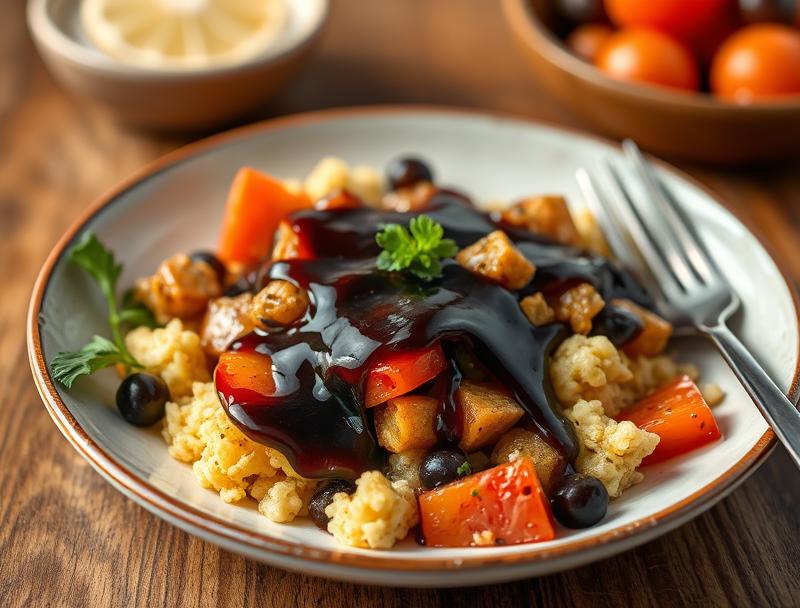
Balsamic Glaze Recipe
Introduction
Imagine a rich, velvety sauce that elevates any dish to a whole new level of flavor and sophistication. Welcome to the world of balsamic glaze, a culinary treasure that’s surprisingly easy to make and incredibly versatile. With just a few simple ingredients and some patience, you can create a deep, sweet, and tangy glaze that will become your new favorite condiment. In this article, we’ll guide you through the process of making balsamic glaze from scratch, using everyday ingredients and straightforward techniques. Whether you’re a seasoned chef or a curious home cook, get ready to unlock a world of creative possibilities with this incredible balsamic glaze recipe.
Why This Works
- Flavor balance and ingredient accessibility: Our recipe strikes the perfect balance between sweet and tangy, using readily available ingredients that won’t break the bank.
- Ease of preparation: With just a few simple steps, you can create a delicious balsamic glaze that’s perfect for dressing salads, glazing meats, or adding a burst of flavor to your favorite dishes.
- Impressive results with minimal effort: Despite its elegant flavor and texture, our balsamic glaze recipe requires minimal effort and equipment, making it a great addition to any home cook’s repertoire.
Ingredients
- 1 cup balsamic vinegar
- 1/2 cup granulated sugar
- 1/4 cup water
- 1 tablespoon honey (optional)
- 1/4 teaspoon salt
- 1/4 teaspoon black pepper
- Fresh thyme or rosemary leaves for garnish (optional)
Instructions
- Step 1: In a small saucepan, combine the balsamic vinegar, sugar, water, honey (if using), salt, and pepper. Whisk until the sugar is dissolved, then bring the mixture to a boil over medium heat.
- Step 2: Reduce the heat to low and simmer the glaze for about 20-25 minutes, or until it has thickened and reduced to a rich, syrupy consistency. You can test the glaze by drizzling a small amount on a plate and letting it cool to room temperature. If it’s still too thin, continue simmering for a few more minutes and testing until you reach the desired consistency.
- Step 3: Remove the glaze from the heat and let it cool slightly. Strain the glaze through a fine-mesh sieve into a clean glass bottle or airtight container. Discard the solids and reserve the glaze for later use.
- Step 4: To use the balsamic glaze, simply drizzle it over your favorite dishes, such as salads, grilled meats, roasted vegetables, or even pizza. You can also use it as a dip for bread or as a sauce for pasta or risotto.
Handy Tips
- For a thicker glaze, reduce the amount of water or simmer the mixture for a longer period.
- To add a bit of spice, try adding a pinch of red pepper flakes or a few grinds of black pepper to the glaze.
- Experiment with different flavor combinations by adding a splash of fruit juice, such as pomegranate or orange, to the glaze.
Heat Control
When simmering the balsamic glaze, it’s essential to monitor the heat and adjust as needed to prevent scorching or burning. Aim for a low, gentle simmer, and stir the glaze occasionally to ensure even cooking. If you notice the glaze starting to darken or develop a burnt flavor, remove it from the heat immediately and let it cool before straining and storing.
Crunch Factor
The balsamic glaze is smooth and syrupy, with a rich, velvety texture that’s perfect for drizzling over dishes. If you prefer a slightly thicker glaze, you can reduce the amount of water or simmer the mixture for a longer period. For a more intense flavor, try reducing the glaze to a thicker, more caramel-like consistency, then whisking in a bit of water to achieve the desired texture.
Pro Kitchen Tricks
- For a more intense flavor, try reducing the balsamic vinegar to a glaze before adding the sugar and water. This will concentrate the flavors and create a deeper, more complex glaze.
- To prevent the glaze from crystallizing or becoming too thick, try adding a small amount of water or vinegar to the mixture before storing it in the fridge.
- Experiment with different flavor combinations by adding a splash of wine, such as port or sherry, to the glaze. This will add a rich, fruity flavor that’s perfect for dressing salads or glazing meats.
Storage Tips
- Store the balsamic glaze in an airtight container in the fridge for up to 2 weeks.
- For longer storage, try freezing the glaze in an ice cube tray, then transferring the frozen cubes to a zip-top bag or airtight container. Simply thaw the glaze as needed and whisk it before using.
- When storing the glaze, make sure to label the container with the date and contents, and keep it away from direct sunlight and heat sources.
Gift Packaging Ideas
The balsamic glaze is a beautiful and delicious gift for friends and family, especially when packaged in a decorative bottle or jar. Try pairing the glaze with a few artisanal cheeses, crackers, or breadsticks for a thoughtful and elegant gift. You can also add a few fresh herbs, such as thyme or rosemary, to the bottle for a fragrant and visually appealing touch. Simply tie the bottle with a ribbon or twine, and add a gift tag with the recipe and serving suggestions.
Flavor Variations
- 🌟 Try adding a splash of fruit juice, such as pomegranate or orange, to the glaze for a sweet and tangy flavor combination.
- 🌟 Experiment with different spices, such as cinnamon or nutmeg, to add a warm and aromatic flavor to the glaze.
- 🌟 For a smoky flavor, try adding a few drops of liquid smoke to the glaze, then whisking in a bit of water to achieve the desired consistency.
Troubleshooting
- Texture problems: If the glaze becomes too thick, try whisking in a bit of water to achieve the desired consistency. If the glaze is too thin, try reducing it further by simmering it for a few more minutes.
- Ingredient replacements: If you don’t have balsamic vinegar, try using a combination of red wine vinegar and sugar to create a similar flavor profile.
- Over/undercooking signs: If the glaze becomes too dark or develops a burnt flavor, remove it from the heat immediately and let it cool before straining and storing.
FAQs
- Can I freeze it? Yes, you can freeze the balsamic glaze in an ice cube tray, then transfer the frozen cubes to a zip-top bag or airtight container. Simply thaw the glaze as needed and whisk it before using.
- Is it gluten-free? Yes, the balsamic glaze is gluten-free, making it a great option for those with dietary restrictions.
- Can I double the recipe? Yes, you can easily double or triple the recipe to make a larger batch of balsamic glaze. Simply multiply the ingredients and follow the same instructions for simmering and straining the glaze.
Conclusion
With this simple and versatile balsamic glaze recipe, you’ll be able to add a rich, tangy flavor to a wide range of dishes, from salads and grilled meats to pasta and pizza. Whether you’re a seasoned chef or a curious home cook, we encourage you to experiment with different flavor combinations and ingredients to make the recipe your own. Don’t be afraid to share your creations with friends and family, and enjoy the process of cooking and exploring new flavors. Happy cooking, and buon appetito!
Balsamic Glaze Recipe
A rich, velvety balsamic glaze made with balsamic vinegar, sugar, and water, perfect for dressing salads, glazing meats, or adding a burst of flavor to your favorite dishes.
🥘 Ingredients
👩🍳 Instructions
-
1Combine the balsamic vinegar, sugar, water, honey (if using), salt, and pepper in a small saucepan.
-
2Bring the mixture to a boil over medium heat, then reduce the heat to low and simmer for 20-25 minutes, or until the glaze has thickened and reduced to a rich, syrupy consistency.
-
3Remove the glaze from the heat and let it cool slightly, then strain it through a fine-mesh sieve into a clean glass bottle or airtight container.
-
4Store the glaze in the fridge for up to 2 weeks, or freeze it in an ice cube tray for later use.