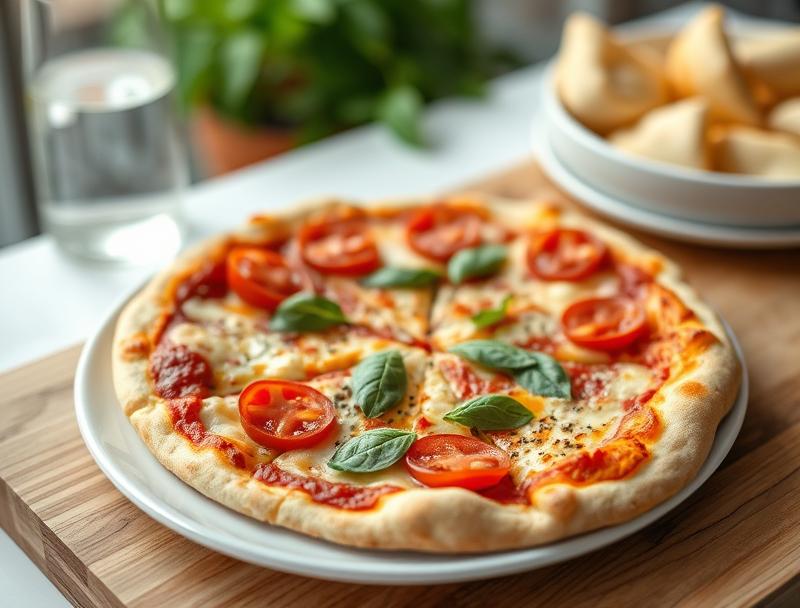
Homemade Pizza Recipe
Introduction
Making a homemade pizza is an exciting culinary adventure that combines ease, flavor, and creativity, all using everyday ingredients. The joy of crafting your own pizza from scratch lies not only in the process but also in the freedom to experiment with various toppings and flavors, making each pizza uniquely yours. Whether you’re a beginner in the kitchen or a seasoned cook, this homemade pizza recipe is designed to guide you through creating a delicious, crispy-crusted, and flavorful pizza that will impress family and friends alike. With its straightforward steps and accessible ingredients, this recipe is perfect for a quick weeknight dinner or a fun weekend project.
Why This Works
- Flavor balance and ingredient accessibility: This recipe strikes a perfect balance between classic pizza flavors and the flexibility to incorporate your favorite toppings, all while using ingredients that are easily found in most supermarkets.
- Ease of preparation: Despite being made from scratch, this pizza dough and its accompanying sauce are surprisingly easy to prepare, requiring minimal special equipment or culinary expertise.
- Impressive results with minimal effort: The combination of a well-crafted crust, a rich homemade sauce, and the melting goodness of mozzarella cheese ensures that your homemade pizza will be a hit, even with minimal effort and time invested.
Ingredients
- 2 cups of warm water
- 2 teaspoons of sugar
- 1 tablespoon of active dry yeast
- 3 1/2 cups of all-purpose flour
- 1 teaspoon of salt
- 2 tablespoons of olive oil
- 1 can of crushed tomatoes (28 oz)
- 2 cloves of garlic, minced
- 1 teaspoon of dried oregano
- 1 teaspoon of dried basil
- 1/2 teaspoon of salt
- 1/4 teaspoon of black pepper
- 8 ounces of mozzarella cheese, shredded
- Toppings of your choice (e.g., pepperoni, mushrooms, bell peppers, onions, olives)
Instructions
- Step 1: Make the Pizza Dough – In a large mixing bowl, combine the warm water, sugar, and yeast. Let it sit for about 5 minutes until the yeast is activated and foamy. Add the flour, salt, and olive oil, and mix until a dough forms. Knead the dough for 5-10 minutes until it becomes smooth and elastic. Place the dough in a lightly oiled bowl, cover it with plastic wrap, and let it rise in a warm place for about 1 hour, or until it has doubled in size.
- Step 2: Prepare the Pizza Sauce – In a saucepan, heat the olive oil over medium heat. Add the minced garlic and cook for 1 minute until fragrant. Add the crushed tomatoes, dried oregano, dried basil, salt, and pepper. Stir well to combine, then reduce heat to low and let simmer for 15-20 minutes, stirring occasionally, until the sauce has thickened slightly.
- Step 3: Assemble and Top the Pizza – Preheat your oven to 425°F (220°C). Punch down the risen dough and divide it into as many portions as you wish to make individual pizzas. Roll out each portion into a thin circle. Place the dough on a baking sheet or pizza stone that has been sprinkled with cornmeal. Spread a layer of the pizza sauce over the dough, leaving a small border around the edges. Top with shredded mozzarella cheese and your choice of toppings.
- Step 4: Bake the Pizza – Bake the pizza in the preheated oven for 12-15 minutes, or until the crust is golden brown and the cheese is melted and bubbly. Remove from the oven and let cool for a few minutes before slicing and serving.
Handy Tips
- For a crisper crust, make sure the oven is fully preheated before baking, and consider baking the pizza for an additional 2-3 minutes.
- Let the dough rest for a few minutes after rolling it out to allow the gluten to relax, making it easier to shape into a perfect circle.
- Don’t overload the pizza with toppings, as this can make the crust soggy. Balance is key to achieving a pizza that is both flavorful and structurally sound.
Heat Control
Heat control is crucial when baking a pizza. The ideal temperature for baking a pizza is between 425°F (220°C) and 450°F (230°C). The pizza should be baked for 12-15 minutes, or until the crust is golden brown and the cheese is melted and slightly caramelized. Keep an eye on the pizza during the last few minutes of baking, as the difference between perfectly cooked and burnt can be a matter of seconds.
Crunch Factor
Achieving the perfect crunch on your pizza crust can elevate the entire dining experience. To ensure your crust is crispy, pre-bake the dough for 2-3 minutes before adding the toppings. This step, known as “pre-baking” or “par-baking,” helps to set the crust and prevent it from becoming soggy under the toppings and sauce. Additionally, baking the pizza on a preheated stone or baking steel can help to achieve a crispy crust, as these materials absorb moisture and distribute heat evenly.
Pro Kitchen Tricks
- Use a pizza peel or a piece of parchment paper dusted with cornmeal to transfer the pizza to the oven, as this will prevent the pizza from sticking and make the transfer process much smoother.
- For an extra crispy crust, try broiling the pizza for 1-2 minutes after baking. Keep a close eye to avoid burning.
- Invest in a pizza stone or baking steel for your oven. These tools can significantly improve the crust’s texture and browning.
Storage Tips
- Leftover pizza can be stored in the refrigerator for up to 3 days. Reheat in the oven at 350°F (180°C) for a few minutes until warmed through.
- Consider freezing individual portions of dough or fully assembled pizzas for up to 2 months. Frozen pizzas can be baked directly from the freezer, adding a few extra minutes to the baking time.
- For the best results, store leftover pizza in airtight containers to maintain freshness and prevent drying out.
Gift Packaging Ideas
If you’re considering gifting your homemade pizza, especially the dough or sauce, think about packaging them in decorative jars or containers. For the dough, you can shape it into balls, place them in airtight bags, and then put these bags into a decorative basket or box. For the sauce, fill decorative glass jars, add a ribbon around the lid, and include a gift tag with heating instructions. This makes for a thoughtful and edible gift that any food lover would appreciate.
Flavor Variations
- Different spices: Experiment with various spice blends, such as Italian seasoning, garlic powder, or red pepper flakes, to add unique flavors to your pizza sauce or dough.
- Creative toppings: Venture beyond traditional toppings by trying out different meats (e.g., prosciutto, sausage), vegetables (e.g., artichokes, roasted bell peppers), and cheeses (e.g., feta, goat cheese).
- Ingredient swaps: Substitute whole wheat flour for all-purpose flour to make a healthier dough, or use different types of cheese, like mozzarella blends or vegan cheese alternatives, to cater to various dietary needs and preferences.
Troubleshooting
- Texture problems: If your crust turns out too dense, it might be due to overworking the dough. Try to mix and knead the dough just until the ingredients come together, and let it rest for a longer time to allow the gluten to relax.
- Ingredient replacements: If you’re missing an ingredient, don’t be afraid to substitute. For example, if you don’t have fresh basil, dried basil or even spinach can work as a substitute in the sauce.
- Over/undercooking signs: Keep an eye on your pizza during the baking time. An undercooked crust will be pale and soft, while an overcooked crust will be dark brown or even burnt. Adjust the baking time as needed based on your oven’s performance and the thickness of your crust.
FAQs
- Can I freeze it? Yes, both the dough and the assembled pizza can be frozen for later use. Frozen dough will need to thaw before rising, and frozen pizzas can be baked directly from the freezer.
- Is it gluten-free? The traditional recipe includes wheat flour, making it not gluten-free. However, you can experiment with gluten-free flour mixes to create a gluten-free version of the pizza dough.
- Can I double the recipe? Yes, you can easily double or triple the recipe to make more pizzas. Just ensure you have enough space in your oven to bake them all at once, or bake them in batches.
Conclusion
Making a homemade pizza is a fun and rewarding experience that allows you to be creative with flavors and toppings while enjoying a delicious meal. With this recipe and the provided tips, you’re well on your way to becoming a pizza-making pro. Don’t be afraid to experiment and make the recipe your own, and don’t hesitate to share your creations with friends and family. The art of pizza making is all about exploration and enjoyment, so dive in, get creative, and buon appetito!
Homemade Pizza Recipe
A simple and delicious recipe for making homemade pizza, including a crispy crust, flavorful sauce, and melted mozzarella cheese.
🥘 Ingredients
👩🍳 Instructions
-
1Make the pizza dough by combining warm water, sugar, and yeast, then adding flour, salt, and olive oil. Knead the dough and let it rise.
-
2Prepare the pizza sauce by heating olive oil, adding garlic, and then combining crushed tomatoes, oregano, basil, salt, and pepper. Simmer the sauce until it thickens.
-
3Assemble the pizza by spreading the sauce over the dough, topping with mozzarella cheese and your choice of toppings.
-
4Bake the pizza in a preheated oven at 425°F (220°C) for 12-15 minutes, or until the crust is golden brown and the cheese is melted and bubbly.