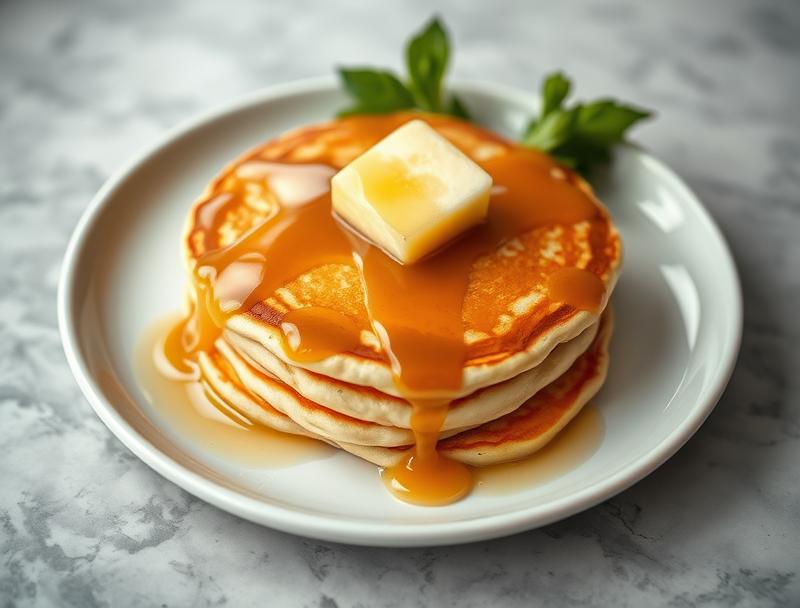
German Pancakes (Dutch Baby)
Introduction
Imagine starting your day with a dish that’s as impressive as it is delicious, yet remarkably easy to prepare. German Pancakes, also known as Dutch Babies, are a breakfast or brunch treat that fits the bill perfectly. Made with everyday ingredients like eggs, milk, and flour, these pancakes are not only a feast for the taste buds but also a visually stunning centerpiece for any meal. They’re incredibly versatile, allowing for a wide range of toppings and fillings to suit any taste. Whether you’re a seasoned chef or a beginner in the kitchen, German Pancakes are a great way to add some creativity and excitement to your breakfast routine.
Why This Works
- Flavor balance and ingredient accessibility: The combination of eggs, milk, and flour provides a perfect balance of flavors and textures, and these ingredients are easily found in most kitchens.
- Ease of preparation: Despite their impressive appearance, German Pancakes are surprisingly simple to make, requiring just a few minutes of preparation and a short baking time.
- Impressive results with minimal effort: The dramatic puffing of the pancake as it bakes makes for a stunning presentation, sure to impress family and friends without requiring extensive culinary skills.
Ingredients
- 3 large eggs
- 1 1/2 cups milk
- 1 cup all-purpose flour
- 1/2 teaspoon salt
- 2 tablespoons butter, melted
- 1 teaspoon vanilla extract (optional)
- Lemon wedges, maple syrup, powdered sugar, or fresh fruits for serving
Instructions
- Step 1: Preheat your oven to 425°F (220°C). While the oven is heating up, prepare your ingredients by cracking the eggs into a bowl, measuring out the milk, flour, and salt, and melting the butter.
- Step 2: In a large bowl, whisk together the eggs, milk, flour, and salt until smooth. The batter should still be slightly lumpy. Add the melted butter and vanilla extract (if using) and whisk until well combined.
- Step 3: Pour the batter into a 12-inch oven-safe skillet or a 9×13 inch baking dish. If using a skillet, make sure it’s hot by placing it in the oven for a few minutes before adding the batter. For a baking dish, you can proceed directly to baking.
- Step 4: Bake the pancake for 15-20 minutes if using a skillet or 25-30 minutes for a baking dish, or until it’s puffed and golden brown. Remove it from the oven and let it cool for a few minutes before slicing and serving. Traditionally, German Pancakes are served with lemon wedges, but feel free to get creative with toppings like maple syrup, powdered sugar, or a variety of fresh fruits.
Handy Tips
- For an extra crispy crust, make sure your skillet is very hot before adding the batter. You can test the heat by flicking a few drops of water onto the skillet; if they sizzle and evaporate quickly, it’s ready.
- Don’t overmix the batter, as this can lead to a dense pancake. Stop whisking once the ingredients are just combined.
- Consider the size of your servings. If you’re looking to make individual pancakes, you can divide the batter among smaller skillets or ramekins.
Heat Control
Maintaining the right oven temperature is crucial for the pancake to puff properly. Ensure your oven is at 425°F (220°C) for the initial baking. If you notice the pancake browning too quickly, you can reduce the oven temperature to 375°F (190°C) for the remaining baking time. The pancake is done when it’s golden brown and puffed, with the edges starting to set and the center still slightly jiggly.
Crunch Factor
The beauty of German Pancakes lies in their texture – a crispy, caramelized exterior giving way to a soft, airy interior. To achieve this, don’t open the oven door during the first 10 minutes of baking, as this can cause the pancake to sink. Once removed from the oven, let it cool for a few minutes before serving to enjoy the contrast in textures.
Pro Kitchen Tricks
- For a gluten-free version, substitute the all-purpose flour with a gluten-free flour blend. Note that gluten-free flours can behave differently, so you might need to adjust the ratio of flours or add xanthan gum for better texture.
- To make ahead, prepare the batter the night before and refrigerate it overnight. Let it come to room temperature before baking.
- Experiment with different flavor extracts like almond or coconut to give your German Pancake a unique twist.
Storage Tips
- Leftovers can be stored in the refrigerator for up to 2 days. Reheat the pancake in the oven or microwave until warmed through.
- For longer storage, consider freezing the pancake. Once cooled, wrap it tightly in plastic wrap or aluminum foil and place it in a freezer-safe bag. Frozen pancakes can be reheated in the oven or microwave.
- When reheating, add a splash of milk if the pancake seems dry to restore moisture.
Gift Packaging Ideas
If you’re considering gifting German Pancakes, a thoughtful presentation can make all the difference. Bake the pancake in individual servings and package each in a decorative tin or a paper cone lined with parchment paper. Add a ribbon around the top and include a small jar of maple syrup, a lemon, or a bag of powdered sugar for a complete gift. For a more substantial gift, pair the pancake with a selection of gourmet toppings or a bottle of specialty syrup.
Flavor Variations
- Different spices: Add a pinch of cinnamon, nutmeg, or cardamom to the batter for a unique flavor profile.
- Creative toppings: Go beyond traditional lemon and sugar with toppings like fresh berries, caramelized bananas, or a dollop of whipped cream.
- Ingredient swaps: Substitute some of the flour with whole wheat flour for a nuttier flavor or use almond milk for a non-dairy version.
Troubleshooting
- Texture problems: If your pancake doesn’t puff, check your oven temperature and ensure you didn’t overmix the batter. A dense pancake can also result from old baking powder or an incorrect flour-to-liquid ratio.
- Ingredient replacements: When substituting ingredients, especially flours, be prepared for possible texture and flavor changes. Some substitutions might require adjusting the liquid content or adding leavening agents.
- Over/undercooking signs: An undercooked pancake will be pale and soggy, while an overcooked one will be too dark and dry. Adjust your baking time as needed based on your oven’s performance and the pancake’s appearance.
FAQs
- Can I freeze it? Yes, German Pancakes can be frozen. Cool the pancake completely, then wrap it tightly and place it in a freezer-safe bag. Reheat in the oven or microwave when ready to serve.
- Is it gluten-free? The traditional recipe includes wheat flour, making it not gluten-free. However, you can make a gluten-free version by substituting the flour with a gluten-free blend.
- Can I double the recipe? Yes, you can double the recipe. Simply multiply all the ingredients by two and use a larger baking dish. You might need to adjust the baking time slightly, so keep an eye on the pancake’s progress.
Conclusion
German Pancakes, or Dutch Babies, offer a delightful combination of ease, flavor, and presentation, making them perfect for special occasions or everyday meals. With their light, airy texture and the versatility to be topped with a wide range of sweet or savory ingredients, it’s no wonder they remain a beloved breakfast and brunch option. Whether you’re a culinary novice or an experienced chef, this recipe is sure to become a staple in your kitchen. So go ahead, get creative with your toppings, and enjoy the simple pleasure of a beautifully puffed German Pancake.
German Pancakes (Dutch Baby)
A simple yet impressive breakfast dish made with eggs, milk, and flour, perfect for special occasions or everyday meals.
🥘 Ingredients
👩🍳 Instructions
-
1Preheat the oven to 425°F (220°C).
-
2Whisk together the eggs, milk, flour, and salt until smooth.
-
3Add the melted butter and vanilla extract (if using) and whisk until well combined.
-
4Pour the batter into a 12-inch oven-safe skillet or a 9x13 inch baking dish and bake for 15-20 minutes for a skillet or 25-30 minutes for a baking dish, or until puffed and golden brown.