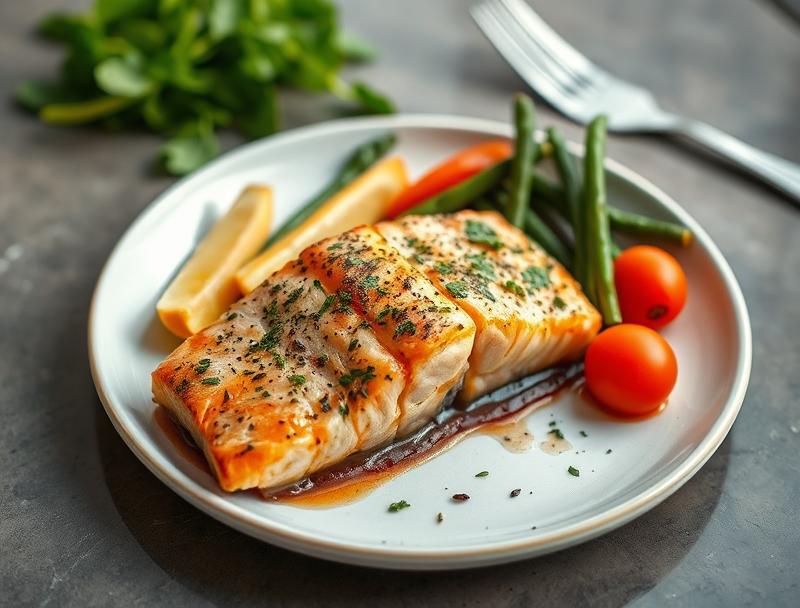
Baked Salmon Recipe
Introduction
This Baked Salmon Recipe is a masterpiece of simplicity, flavor, and creativity, all achievable with everyday ingredients. It’s a dish that will impress your family and friends with its delicate balance of sweet, savory, and tangy notes, all while being incredibly easy to prepare. The beauty of this recipe lies in its versatility and the opportunity to get creative with the ingredients and presentation, making it perfect for both weeknight dinners and special occasions. With just a few ingredients and some basic kitchen utensils, you can create a culinary experience that’s not only delicious but also visually appealing.
Why This Works
- Flavor balance and ingredient accessibility: The combination of honey, soy sauce, lemon juice, ginger, and garlic creates a harmonious balance of flavors that complement the salmon perfectly, and all these ingredients are easily found in most supermarkets.
- Ease of preparation: The recipe requires minimal preparation time, and the steps are straightforward, making it accessible to cooks of all skill levels.
- Impressive results with minimal effort: Despite its simplicity, the dish presents beautifully and tastes sophisticated, making it perfect for entertaining guests without spending hours in the kitchen.
Ingredients
- 4 salmon fillets (about 6 oz each)
- 3 tablespoons honey
- 2 tablespoons soy sauce
- 1 tablespoon fresh lemon juice
- 1 teaspoon grated fresh ginger
- 2 cloves garlic, minced
- 1 tablespoon olive oil
- Salt and pepper, to taste
- Fresh parsley or chives, chopped (for garnish)
Instructions
- Step 1: Preheat your oven to 400°F (200°C). Line a baking sheet with parchment paper or aluminum foil, and place a wire rack on top. This step is crucial for even cooking and easy cleanup.
- Step 2: In a small bowl, whisk together honey, soy sauce, lemon juice, grated ginger, and minced garlic until well combined. This glaze will give your salmon its distinctive flavor.
- Step 3: Place the salmon fillets on the prepared baking sheet. Brush the honey-soy glaze evenly over both sides of the salmon fillets, making sure they’re fully coated. Drizzle with olive oil and season with salt and pepper to taste.
- Step 4: Bake the salmon for 12-15 minutes per pound, or until it reaches an internal temperature of 145°F (63°C). Remove from the oven and let it rest for a few minutes before serving. Garnish with chopped parsley or chives for a fresh and colorful finish.
Handy Tips
- For an extra crispy skin, pat the salmon dry with paper towels before applying the glaze and baking. If your salmon fillets have skin, you can choose to bake them skin side down for the first half of the cooking time for a crispy skin.
- Consider using fresh and high-quality ingredients for the best flavor. Fresh ginger and garlic will give a more vibrant taste compared to powdered or jarred alternatives.
- Don’t overcrowd the baking sheet. Give each fillet enough space to cook evenly. If necessary, use multiple baking sheets.
Heat Control
The ideal temperature for baking salmon is between 400°F (200°C) and 425°F (220°C), depending on your oven’s accuracy and the thickness of the fillets. It’s crucial to not overcook the salmon. Check for doneness by inserting a fork; it should flake easily. Alternatively, use a food thermometer to ensure the internal temperature reaches 145°F (63°C).
Crunch Factor
This recipe focuses on achieving tender and flaky salmon. However, if you’re looking to add a crunchy element, consider topping the salmon with toasted sesame seeds or chopped nuts before baking. This adds a satisfying crunch to the dish without overpowering the delicate flavor of the salmon.
Pro Kitchen Tricks
- Use a meat thermometer to ensure the salmon is cooked to a safe internal temperature without overcooking it.
- Let the salmon rest for a few minutes before serving. This allows the juices to redistribute, making the salmon more tender and flavorful.
- For easier cleanup, line your baking sheet with parchment paper or aluminum foil. This prevents the glaze from sticking and makes disposing of leftovers simpler.
Storage Tips
- Store leftover cooked salmon in an airtight container in the refrigerator for up to 3 days. It can be reheated gently in the oven or microwave until warmed through.
- Freezing is also an option. Place the cooled salmon in a freezer-safe bag or container and store for up to 3 months. When ready to eat, thaw overnight in the fridge and reheat as desired.
- When reheating, be careful not to overheat, as this can make the salmon dry. A low oven temperature (around 300°F or 150°C) for a short time is ideal.
Gift Packaging Ideas
If you’re considering gifting this dish, perhaps for a dinner party or as part of a meal train, you can package it beautifully. Place the cooled salmon in a decorative container or wrap it in foil and then in a gift bag. Add a side of rice, steamed vegetables, or a salad for a complete meal. Don’t forget to include the recipe so the recipient can enjoy it again.
Flavor Variations
- 🌟 Different spices: Experiment with various spice blends like Cajun, Italian seasoning, or a simple mix of salt, pepper, and paprika to give your salmon a unique flavor profile.
- 🌟 Creative toppings: Before baking, top your salmon with sliced lemons, fresh herbs like dill or thyme, or even a spoonful of salsa for added flavor and moisture.
- 🌟 Ingredient swaps: Replace honey with maple syrup for a slightly different sweetness, or use lime juice instead of lemon for a bit of zest. These small changes can significantly alter the flavor profile of your dish.
Troubleshooting
- Texture problems: If your salmon turns out dry, it might be overcooked. Adjust your cooking time and temperature accordingly for future attempts.
- Ingredient replacements: If you’re missing an ingredient, look for substitutes that offer similar flavor profiles. For example, you can use brown sugar instead of honey in a pinch.
- Over/undercooking signs: Undercooked salmon will be raw and flake poorly, while overcooked salmon will be dry and tough. Aim for a flaky texture that’s opaque and firm to the touch.
FAQs
- Can I freeze it? Yes, you can freeze cooked salmon for up to 3 months. Simply cool it, place it in a freezer-safe container or bag, and store.
- Is it gluten-free? This recipe is gluten-free, making it suitable for individuals with gluten intolerance or sensitivity, provided the soy sauce used is gluten-free.
- Can I double the recipe? Absolutely, you can double or even triple this recipe if you’re serving a larger crowd. Just ensure you have enough space on your baking sheet for the fillets to cook evenly.
Conclusion
This Baked Salmon Recipe is a versatile and delicious addition to any meal. With its simple preparation, impressive flavor, and healthy nutritional profile, it’s a dish that can be enjoyed frequently. Feel free to experiment with the ingredients and flavor variations to make it your own. Whether you’re a seasoned chef or a beginner in the kitchen, this recipe is sure to please. So go ahead, give it a try, and enjoy the compliments from your family and friends.
Baked Salmon Recipe
A simple and flavorful baked salmon recipe with a honey-soy glaze, perfect for weeknights and special occasions.
🥘 Ingredients
👩🍳 Instructions
-
1Preheat the oven to 400°F (200°C).
-
2Prepare the honey-soy glaze by whisking together honey, soy sauce, lemon juice, grated ginger, and minced garlic.
-
3Place the salmon fillets on a baking sheet lined with parchment paper, brush with the glaze, and season with salt, pepper, and olive oil.
-
4Bake for 12-15 minutes per pound or until the salmon reaches an internal temperature of 145°F (63°C).